 Tecnología de sentido Yteq

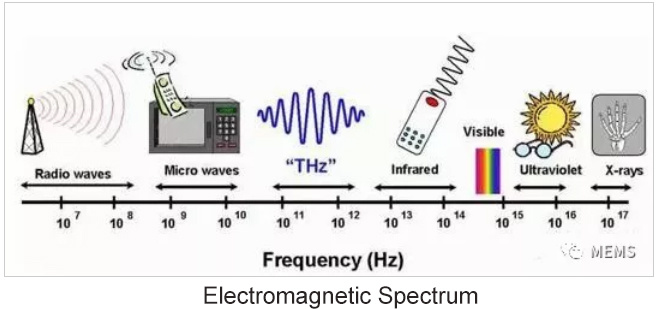
Millimeter wave radar is a radar that works in millimeter wave. Millimeter waves refer to the 30 ~ 300GHz frequency band(the wavelength is 1 to 10 mm). The wavelength of millimeter waves is between microwaves and centimeters, so millimeter wave radar has some advantages of microwave radar, infrared radar and lidar radar.
If you divide the working band, millimeter wave radar for the civil market has roughly three types – 24GHz millimeters, 60GHz millimeter wave radar, and 77GHz millimeter wave radar. By now, the 24GHz, 60GHz and 77GHz frequency millimeter wave radar are widely applied in various industry like automotive ADAS, security, drone and smart traffic. So, which operating frequency section is more suitable for various markets?
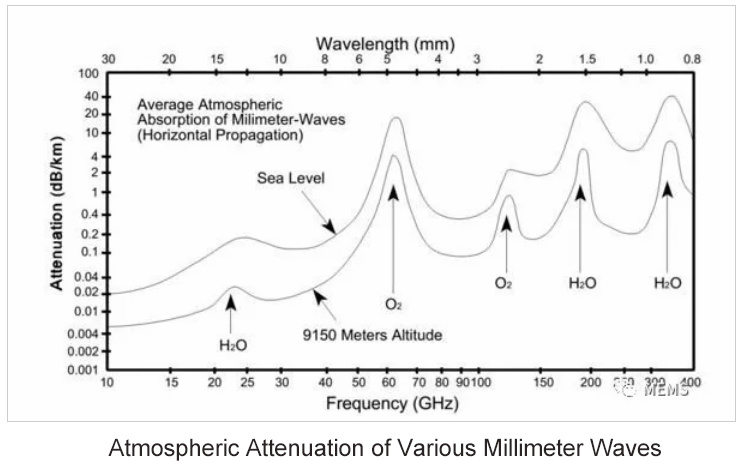
24GHz millimeter wave radar is the first to put into civilian wave radar, with a wavelength of 1.25cm. Since the frequency of the frequency band is relatively low, the bandwidth is relatively narrow (only 250 MHz), so the 24 GHz millimeter wave radar is limited in measurement accuracy, which also limits its application range. However, due to the maturity of 24GHz, it is cheap.
The 60GHz mm radar wavelength is 5mm, which has a use of up to 7GHz for short-range applications, so it can provide better resolution. Its appearance is mainly in order to cope with 24 GHz radar bandwidth, insufficient precision, and have limitations of the sensing of objects. Because of this, all major technology vendors compete around millimeters in the non-automotive sector, and gradually transfer from 24GHz to 60GHz.
The millimeter wavelength of the 77GHz band is only 3.9mm, the frequency is relatively high, with a bandwidth of 4GHz. In general, the shorter the wavelength of radar, the higher the resolution/accuracy. And the outer shape of the entire system will be smaller. Therefore, 77 GHz millimeter wave radar gradually picked 24GHz products in the market, which became mainstream in the automotive field, and many countries and regions also assigned this band as a special frequency band of automobiles. With the maturity of 77 GHz millimeter cable technology, the cost-effective advantage of the 24GHz program is not so significant.